

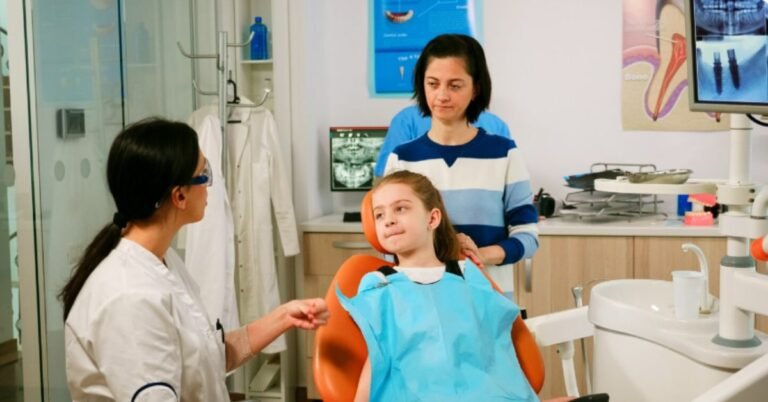
You want your child to grow up confident, capable, and able to handle small routines without being watched every second. You also know how fast a skipped brushing, a hidden cavity, or a quiet fear of the dentist can turn into a bigger problem. That tension is real. Parents are asked to step back and stay alert at the same time, and oral health often becomes one more place where that push and pull shows up every day, serving gentle dental care for families in Greenlawn, NY.
How Family Dentistry Helps Parents Balance Independence And Supervision comes down to structure. A family dentist helps you decide what your child can do alone, what still needs your help, and when habits should shift as they get older. That support gives children room to build responsibility without leaving parents to guess whether everything is fine.
Family dentistry creates a safe middle ground for growing kids
Most children do not move from full parent help to full independence in one clean step. A six year old may want to brush alone but still miss the back teeth. A preteen may remember to brush and still rush through flossing. A teenager may seem fully independent and then avoid mentioning tooth sensitivity because they do not want another appointment. This is where family dental care for parents and children matters. It gives families one place to track changes over time, instead of reacting only when pain starts.
That matters because tooth decay often develops quietly. The tooth decay process does not begin with a dramatic warning. It starts when bacteria feed on sugars and produce acids that weaken enamel. A child can look fine, feel fine, and still be moving toward a cavity. Independence without follow up can create a false sense of security, especially when routines appear solid on the surface.
Parents feel this in practical ways. You remind your child to brush, they say they already did, and you are left deciding whether to trust them or check again. If you check every time, they may feel micromanaged. If you never check, small problems can build. A family dentist can set age based expectations that lower the friction at home. Instead of every conversation turning into a power struggle, you have a neutral standard to work from.
A family dentist helps parents supervise without hovering
Supervision does not have to mean control. It can mean having clear routines, regular exams, and simple signs to watch for. A family dentist often helps parents shift from hands on care to guided oversight in stages. That might mean brushing for your child when they are very young, then brushing together, then checking after they finish, then moving to periodic check ins as they mature.
The goal is not perfection. The goal is a system your child can grow into. The American Academy of Pediatric Dentistry supports establishing a dental home early, which gives children consistent care and gives parents a steady source of guidance. That continuity helps you respond to each stage with less uncertainty.
This also eases the emotional side of parenting. Children often cooperate better when advice comes from a trusted dentist as well as a parent. A child who resists flossing at home may take the recommendation more seriously after hearing why it matters during a visit. A teen who shrugs off bleeding gums may pay attention when a dentist connects it to inflammation, not just “bad brushing.” You are still supervising, but you are no longer carrying the full weight of persuasion alone.
Practical dental support makes daily routines easier to manage
Daily oral care is where independence is tested. Regular appointments are where that independence gets measured. The Centers for Disease Control and Prevention offers oral health tips for children that support this balance, including brushing with fluoride toothpaste, helping children brush until they have good skills, and limiting sugary drinks and snacks. Those habits sound simple, but most parents know the hard part is consistency, not information.
| Approach | What it looks like at home | Likely outcome |
|---|---|---|
| Full independence too early | Child brushes alone with little follow up | Missed areas, weak technique, delayed detection of cavities |
| Constant parent control | Parent manages every step for too long | Child depends on reminders and resists ownership |
| Guided independence with a family dentist | Child handles age appropriate tasks, parent checks progress, dentist monitors development | Better habits, more confidence, fewer surprises at checkups |
This is why balancing kids’ dental independence and parental supervision works best when it is shared between home and professional care. You are not choosing between freedom and oversight. You are adjusting the amount of each based on your child’s age, skill, and risk level.
Parents can build independence without losing oversight
Set age based expectations. Do not treat oral care as all or nothing. Younger children usually need direct help. School age children can take on more steps with supervision. Teens often need less hands on help but still benefit from clear expectations about brushing, flossing, diet, and reporting discomfort. Ask your family dentist what independence should look like at your child’s stage.
Use check ins instead of constant reminders. A quick look at the toothbrush, a short nightly check, or asking whether flossing happened works better than turning every morning and night into a battle. The point is accountability, not pressure. This approach supports family dentistry support for parents because it keeps you involved without making oral care feel like punishment.
Keep routine visits consistent. Regular exams give you a second set of eyes and catch problems before they become painful or expensive. They also help children see dental care as normal, not something that only happens when something is wrong. That consistency is one of the strongest benefits of a family dentist.
Steady dental care supports both confidence and protection
Your child does not need perfect habits from day one. They need practice, guidance, and a system that grows with them. A family dentist helps you step back in healthy ways while still protecting your child from the problems they cannot spot on their own. That balance is what makes independence safer and supervision less exhausting.
If your family needs support building routines that fit your child’s age and personality, schedule a visit with a family dentist and get a clearer plan for what your child can handle alone and where your oversight still matters.
