

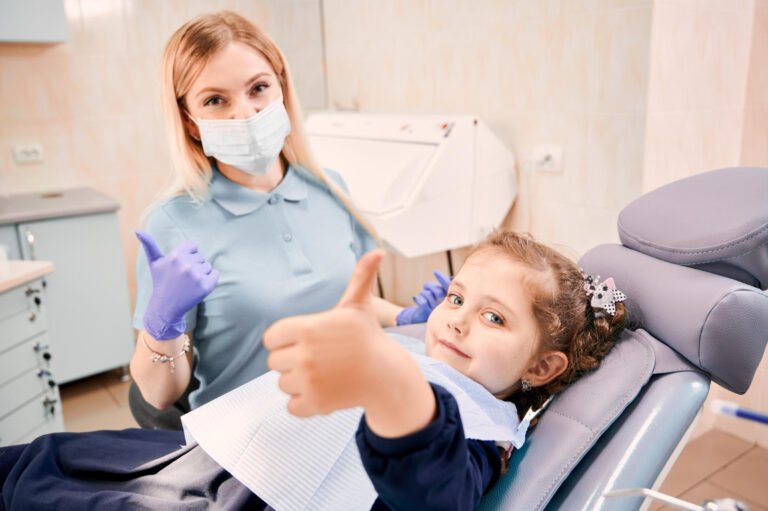
You may already be bracing for the appointment before your child even sits in the chair. A lot of parents do. Maybe your child is nervous about someone looking at their teeth, or maybe you are wondering whether this visit will lead straight to braces, extra costs, and a long treatment plan. That tension is common, especially when you do not know what the orthodontist will find. For parents seeking dental care for families in Ventura, these concerns can feel even more immediate.
A first orthodontic visit is usually much simpler than parents expect. It is a close look at how your child’s teeth, jaw, and bite are developing. In many cases, it ends with monitoring, not treatment. The goal is to catch concerns early, explain what is normal, and give you a clearer path forward. When you know how to prepare and how to talk about the visit, your child is more likely to walk in calm and walk out feeling proud.
Early orthodontic evaluation helps children feel safer and more prepared
Kids pick up on your tone fast. If you sound tense, they often assume something is wrong. If you treat the visit like a routine part of growing up, they usually settle more easily. That matters because fear can start before the appointment. A child hears “orthodontist” and imagines pain, metal, or bad news. You may be trying to answer questions you do not fully know yourself, which makes the whole thing feel heavier than it needs to be.
One of the most helpful things you can do is keep the explanation simple. Tell your child the doctor is checking how their teeth are growing and how their bite fits together. Avoid promising that nothing uncomfortable will happen, because even X-rays or a cheek retractor can feel strange. Honest, calm language builds trust.
Many dental experts recommend a child’s first orthodontic screening around age 7, because that is often when permanent and baby teeth are both present and growth patterns are easier to assess. The early orthodontic evaluation guidance from UAB Dentistry explains why this age can reveal spacing, crowding, and jaw development issues before they become harder to manage.
This is where early orthodontic screening for kids can ease stress rather than add to it. If the bite looks healthy, you get peace of mind. If something needs attention, you have more options and more time to plan.
Small choices before the appointment can prevent a rough experience
The hardest part for many children is not the exam itself. It is the build up. If the visit comes after school when they are hungry, tired, and overstimulated, even a basic exam can feel like too much. If they arrive rushed or confused, they may resist before anyone starts.
Try setting the appointment at a time when your child is usually in a better mood. Make sure they eat beforehand and brush their teeth without turning that into a battle. Bring comfort items if they help, especially for younger children. A familiar toy, headphones, or a small reward after the visit can change the tone of the day without making the appointment feel like a threat.
It also helps to prepare for the practical side. A first visit may include photos, X-rays, a bite check, and a conversation about habits like thumb sucking, mouth breathing, or grinding. If your child has a history of dental anxiety, sensory sensitivity, or trouble sitting still, tell the office ahead of time. That gives the team a chance to adjust the pace and set expectations.
For a general overview of what orthodontic care involves, MedlinePlus explains orthodontia in clear, parent friendly terms.
Parents often feel pressure to decide too much too soon
Hearing that your child has crowding, an overbite, or a narrow arch can make everything suddenly feel urgent. You may start calculating costs in your head before the appointment is even over. You may also worry that waiting will make things worse. Sometimes treatment does need to start early, but often the recommendation is to watch growth and check again later.
That gray area is where many parents feel stuck. You want to do the right thing, but you do not want to rush into treatment your child may not need yet. Ask direct questions. What problem are you watching? What changes would trigger treatment? What happens if you wait six months or a year? Clear answers usually lower stress fast.
Your child also needs support after the appointment, especially if they hear words like expander or braces. Keep the focus on function and health, not appearance. The message is not “your teeth are wrong.” The message is “your mouth is growing, and we are checking how to keep it healthy and comfortable.”
Practical ways to compare common support strategies
| Support Strategy | What It Looks Like | Likely Effect on Your Child |
|---|---|---|
| Simple, honest explanation | “They are checking how your teeth and jaw are growing.” | Builds trust and lowers fear of the unknown |
| Overloading with details | Talking at length about braces, appliances, or cost before the visit | Can raise anxiety before any diagnosis exists |
| Good timing and routine | Scheduling when your child is rested and fed | Improves cooperation and mood |
| Bringing comfort support | Favorite toy, calm music, or a post visit plan | Helps anxious children regulate more easily |
| Framing oral health as normal care | Connecting the visit to regular dental checkups and healthy habits | Reduces shame and makes follow up easier |
That last point matters more than it seems. The CDC’s oral health tips for children reinforce that daily habits and regular professional care work together. A first orthodontic evaluation fits into that bigger picture. It is not separate from family dental care. It is part of it.
Tip 1: Use calm, plain language before the visit
Keep your explanation short and steady. Say the appointment is a check on how the teeth and jaws are growing. Skip loaded words and avoid making guesses about braces. This supports a smoother first orthodontic checkup for children because your child is not walking in expecting the worst.
Tip 2: Protect your child’s energy and comfort
Choose a good time of day, offer a meal or snack first, and bring whatever helps your child feel grounded. If your child struggles with sensory input or medical visits, tell the office before you arrive. That small step can change the entire experience.
Tip 3: Ask focused questions and take notes
If the orthodontist finds an issue, ask what they are seeing now, what may change with growth, and whether treatment is needed soon or later. Write it down. You do not need to absorb everything in one conversation. This is especially helpful when a Family Dentist has already noticed bite or spacing concerns and you are trying to connect the pieces.
Your child does not need a perfect appointment. They need a supported one. If they are shy, tearful, or hesitant, that does not mean the visit failed. It means they are a kid doing something new. With steady preparation and clear information, the first evaluation becomes much less intimidating and much more useful. If your child is due for a check on their bite, teeth spacing, or jaw growth, schedule a visit with your dental provider and ask whether a pediatric orthodontic evaluation is the next right step.
