

You might be thinking about whitening your teeth, fixing a chipped front tooth, or finally getting veneers after years of hiding your smile in photos. You scroll through before and after pictures, you start to imagine your own transformation with a prosthodontist in Torrance, CA, and for a moment it feels exciting. Then a dentist mentions your gums, or you see the word “periodontal,” and everything suddenly feels more complicated than you expected.end
That is usually the moment people start to feel a mix of confusion and frustration. You want a nicer smile, not a dental textbook. You might even feel a little embarrassed, wondering if something you did “wrong” is now standing between you and the cosmetic result you had in mind.
Here is the simple truth. Beautiful cosmetic dentistry sits on one foundation. Your gums. If the foundation is weak or unhealthy, any cosmetic work is at risk of looking off, failing early, or even making existing gum problems worse. If the foundation is healthy and stable, cosmetic treatment usually lasts longer, looks more natural, and feels more comfortable.
So the short summary is this. Healthy gums are not a side topic. They are the hidden make or break factor in every smile makeover, from basic teeth whitening to porcelain veneers and crowns. When you understand how gum health and cosmetic dentistry fit together, decisions become clearer, treatment becomes safer, and the results are far more likely to match what you have been hoping for.
Why do dentists care about gums when you just want a nicer smile?
It can feel confusing. You come in asking about whitening or veneers, and suddenly the dentist is measuring your gums, talking about “pockets,” bleeding, or bone loss. You might think they are changing the subject or trying to add more treatment.
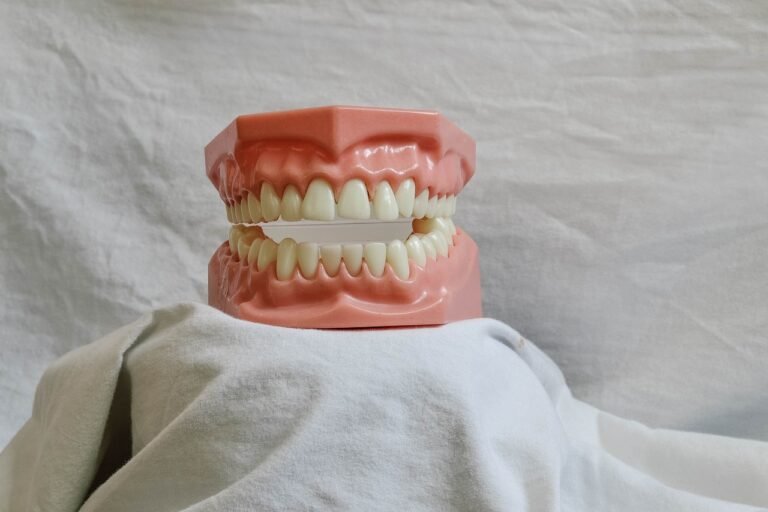
What is really happening is more practical. Gums are the support system for your teeth. If you imagine your teeth as posts, your gums and the bone underneath are the concrete that holds those posts steady. Cosmetic dentistry is like adding a beautiful finish to those posts. If the concrete is crumbling, the finish will not last.
According to the Centers for Disease Control and Prevention, almost half of adults over 30 show signs of gum disease, and that number jumps to about 70 percent for people over 65. You can see those data and more detail in the CDC’s fast facts on gum disease. Many people have gum problems without pain, so they do not know there is an issue until they ask for cosmetic work and the dentist takes a closer look.
So where does that leave you if you are dreaming of a brighter or straighter smile but also hearing about gum health for the first time in years?
How gum disease quietly undermines cosmetic dentistry
The hard part is that early gum disease is usually silent. You may notice a little bleeding when you floss or brush, or maybe some bad breath that does not quite go away, but it is easy to ignore. The National Institute of Dental and Craniofacial Research explains how gingivitis and periodontitis progress over time in its overview of gum disease and its stages. What starts as mild inflammation can slowly damage the tissue and bone that hold your teeth in place.
Now imagine placing veneers, crowns, or bonding on teeth that are supported by irritated, unstable gums. Problems can start to pile up.
Cosmetic edges might look uneven because swollen gums cover part of the tooth. Dark triangles can appear between teeth if gums recede after treatment. Gaps can collect plaque and stain, which makes new restorations look older faster. In more advanced cases, teeth can loosen over time, which means even the most beautiful cosmetic work can fail.
Here is a simple “what if” scenario. Someone gets porcelain veneers while having untreated moderate gum disease. The gums are puffy, but they choose to “push through” because they are eager for a new smile. A year later, the inflammation has worsened. The gums have receded a bit, so the edges of the veneers are now visible. Food catches around those edges, the person notices more bleeding, and the smile they invested in now looks uneven. Treating the gum disease becomes harder because there are extra surfaces for plaque to cling to.
That is the emotional and financial sting many people want to avoid. It is not only about appearance. The CDC’s page on periodontal disease also connects unhealthy gums with higher risks for conditions like diabetes complications and heart disease. So when a dentist presses pause on cosmetic work and talks about your gums, the goal is to protect your health and your budget, not to derail your plans.
Cosmetic goals vs gum health: what are you really choosing between?
It can feel like you have to choose. Do you deal with gum treatment first and delay your cosmetic plans, or do you press forward and hope for the best. This is where understanding how a smile makeover with healthy gums compares to cosmetic work on unhealthy gums can give you clarity.
| Factor | Cosmetic work on unhealthy gums | Cosmetic work after gums are treated |
|---|---|---|
| Appearance over time | Higher risk of dark lines, uneven gum line, and exposed edges as gums change | Gums contour more predictably, margins stay hidden, smile looks natural longer |
| Comfort | Ongoing bleeding, tenderness, possible bad taste or breath around restorations | Less inflammation, easier cleaning, fresher feeling mouth |
| Longevity of veneers/crowns | More likely to need early replacement if teeth loosen or decay around margins | Better support, lower chance of early failure when oral hygiene stays consistent |
| Cost over 5 to 10 years | Often higher because of repairs, replacements, and additional gum treatments | Usually lower overall because work is done on a stable foundation |
| Emotional impact | Frustration if the “perfect smile” changes quickly, disappointment with durability | More confidence in smiling, less worry about things breaking or looking “off” |
When you see it side by side, it becomes clearer why gum health for cosmetic dental treatment is not a technical detail. It is part of protecting your investment and your peace of mind. A thoughtful general and cosmetic dentist will usually map out a plan that addresses both, often in stages, so you can still move toward your cosmetic goals without ignoring warning signs.
Three practical steps to protect your gums and your cosmetic results
So what can you do right now if you are thinking about whitening, bonding, veneers, or other cosmetic work, and you are not sure where your gums stand.
1. Get an honest gum health check before any cosmetic decision
Ask for a full periodontal evaluation as part of your cosmetic consultation. That means measuring pocket depths around each tooth, checking for bleeding, recession, and any mobility. You can even say something like, “Before we plan cosmetic treatment, I want to understand the health of my gums and bone.”
Use resources from trusted public health sources to guide your questions. For example, reviewing the NIDCR’s explanation of gum disease signs and symptoms before your visit can help you recognize what the dentist is looking for and ask better questions about your own mouth.
2. Stabilize inflammation first, even if it feels like a delay
If your gums are inflamed, bleeding, or have deeper pockets, focus on calming that inflammation before major cosmetic work. This might mean a series of deep cleanings, improved home care, and follow up visits. It can feel like a detour, especially when you are eager to fix the way your teeth look, but it is closer to preparing the ground before planting something important.
A general guideline many dentists use is simple. No active infection, minimal bleeding, and stable gum measurements before placing long term cosmetic restorations like crowns or veneers. Whitening or minor bonding might still be possible earlier, but it should be done with a clear plan for ongoing gum care.
3. Treat your gums as part of your cosmetic result, not an afterthought
Once your gums are healthier, keep them that way. Daily brushing along the gumline, consistent flossing or interdental cleaning, and regular professional cleanings are non negotiable if you want your cosmetic work to age well. Think of it as protecting your “new smile warranty,” even if no formal warranty exists.
You can also talk to your dentist about how your gum line shapes your final look. Sometimes small gum contouring procedures are combined with veneers or crowns to create a more balanced smile. The key is that these choices are made on stable, healthy tissue, not inflamed gums that are likely to change suddenly.
Bringing it all together so your smile looks good and lasts
Wanting a more confident smile is completely normal. You are not being vain, and you are not asking for too much. You simply want your outer smile to match how you wish you felt inside. Cosmetic dentistry can absolutely help with that, but only if the foundation is solid.
When you prioritize your gums, you are not giving up on cosmetic goals. You are giving those goals a better chance of success. Healthy gums support teeth. Stable teeth support veneers, crowns, bonding, and whitening results. That is how general and cosmetic dentistry work together instead of fighting each other.
If you feel overwhelmed, start small. Ask for a gum health check. Ask what needs to happen before cosmetic treatment. Ask how your dentist plans to protect your gums during and after any cosmetic work. You deserve clear answers and a plan that respects both your health and your hopes for your smile.
From there, each step becomes easier. Health first. Beauty built on health. And a smile that is not only nicer to look at, but stronger and more comfortable to live with every day.
